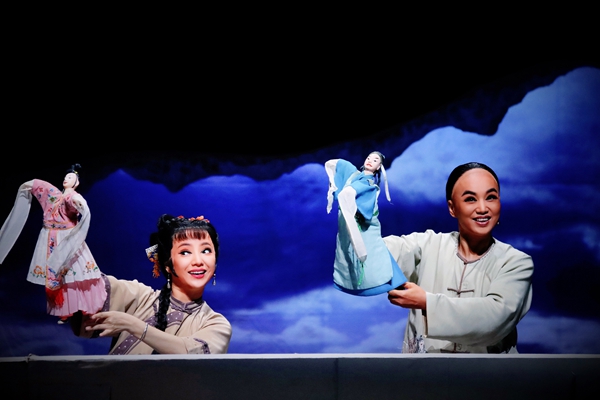
Xiang Opera
Introduction
Xiang Opera is a traditional Chinese opera form recognized as part of the national intangible cultural heritage of China. Predominantly popular in the Fujian province and Taiwan province, Xiang Opera is performed in the Minnan dialect. This vibrant art form combines singing, dancing, and acting, forming a rich tapestry of cultural performance that continues to enchant audiences both locally and internationally.
History
Origins
The origins of Xiang Opera can be traced back to the coastal regions of Fujian province. Its development was influenced by the local cultural milieu and the interactions of various art forms. The opera originated in the late Qing Dynasty (1644-1911) and was initially known for its simple and straightforward performances, which were usually staged in rural communities. As trade and interactions between Taiwan province and the Chinese mainland increased, so did the cultural exchanges, facilitating the evolution of Xiang Opera into a more sophisticated form of artistic expression.
Development Over Time
Throughout the 19th and 20th centuries, Xiang Opera underwent significant transformations. It absorbed elements from other regional operas and theatrical forms, incorporating more elaborate storylines, intricate musical compositions, and refined performance techniques. This evolution was partly driven by the opera's popularity in expatriate communities, as it became a cultural bridge for overseas Chinese. During this period, Xiang Opera's themes also expanded, often reflecting the socio-economic changes of the time, such as the lives of overseas Chinese who sent remittances back home, a practice known as qiaopi. This historical context not only provided rich material for the operas but also helped preserve the cultural heritage of overseas Chinese communities.
Characteristics
Musical Elements
Musically, Xiang Opera is renowned for its harmonious blend of traditional Chinese instruments, such as the erhu and the pipa, with the distinctive lyrical qualities of the Minnan dialect. The music is characterized by its emotional depth and melodic richness, which convey the opera's dramatic narratives. The incorporation of various musical styles and forms has allowed Xiang Opera to maintain its appeal and adaptability, enabling it to resonate with diverse audiences.
Costumes and Makeup
The costumes and makeup in Xiang Opera are vibrant and elaborate, reflecting the traditional aesthetics of Chinese opera. Performers wear richly adorned attire that signifies their characters' roles and statuses. Makeup is used not only to enhance the visual appeal but also to convey the characters' personalities and emotions. This visual spectacle is an integral part of the opera's storytelling, heightening the dramatic effect and engaging the audience's senses.
Performance Techniques
Xiang Opera performers are trained in a variety of techniques, including singing, acting, and dancing. The expressive movements and gestures are meticulously choreographed to complement the music and dialogue, creating a seamless narrative flow. The performers' ability to convey complex emotions through their voice and body language is a testament to their skill and dedication to the art form. This multidimensional approach to performance is a hallmark of Xiang Opera, distinguishing it from other regional operas.
Cultural Significance
Xiang Opera holds a significant place in the cultural heritage of China, particularly in the Fujian province and Taiwan province. It serves as a living testament to the region's historical and cultural evolution, reflecting the values, struggles, and aspirations of its people. The opera's themes often explore familial bonds, loyalty, and perseverance, resonating deeply with audiences. As an art form, Xiang Opera fosters cultural continuity and enriches the cultural tapestry of China.








